Condition
Back Pain: When It Starts Gradually and When It Follows an Accident
Back pain is common, but the story behind it matters. A back that became sore after weeks of sitting, lifting, yard work, or ordinary activity is not evaluated the same way as back pain that started after a car accident or other significant trauma.
Movement first
Prolonged bed rest is generally not recommended for routine back pain.
If a Car Accident Started the Pain
Do not treat post-crash back pain as an ordinary flare-up just because the location feels familiar. Trauma changes the history that needs to be considered, and new or worsening symptoms can require medical evaluation first.
If a collision started the problem, use car accident care, symptoms that appear after a crash, and post-crash emergency warning signs rather than using the self-care section below as clearance.
When Back Pain Starts Without a Significant Injury
For back pain that developed without a major injury, common contributors can include muscle or joint irritation, prolonged positions, lifting, reduced activity, or a flare of a problem you have had before. Pain intensity alone does not identify the cause.
MedlinePlus notes that back pain is very common and that prolonged bed rest is generally not recommended for routine back pain. Read MedlinePlus on back pain.
A Back Pain Function Snapshot
Pain scores are one piece of information. A concrete task often gives a clearer picture of what the problem is doing to your day.
- Standing up after sitting in a chair or car
- Walking your usual distance
- Bending to dress or put on shoes
- Lifting groceries, laundry, tools, or something you normally handle
- Getting in and out of a chair, bed, or vehicle
- Finding a comfortable position to sleep
Pick one or two tasks that matter in your real life and notice whether they are getting easier, staying the same, or becoming harder. That does not identify the cause of the pain, but it gives an evaluation a specific functional question to examine.
What Can You Try at Home?
If there was no significant trauma and no concerning symptom, staying gently active is usually more useful than spending days in bed. Adjust activity rather than testing your limits.
- Change positions regularly instead of staying in one posture for hours
- Take short, comfortable walks if walking feels reasonable
- Temporarily reduce the load or range of movements that clearly aggravate the pain
- Use heat or ice for comfort if either helps you
- Pay attention to whether function is gradually improving rather than judging the problem hour by hour
This is general information, not a diagnosis or individualized exercise prescription. If activity causes new neurological symptoms, severe worsening, or another concerning change, stop using a self-care page as your guide and get medical advice.

Which Back-Pain Symptoms Need Medical Attention?
Seek urgent or emergency medical care for symptoms such as new loss of bladder or bowel control, new weakness or major numbness, severe symptoms after significant trauma, or other rapidly worsening neurological changes. Fever with significant back pain, unexplained weight loss, a cancer history with new concerning pain, or other systemic symptoms also deserve medical assessment rather than a routine chiropractic appointment.
When Is an Evaluation Reasonable?
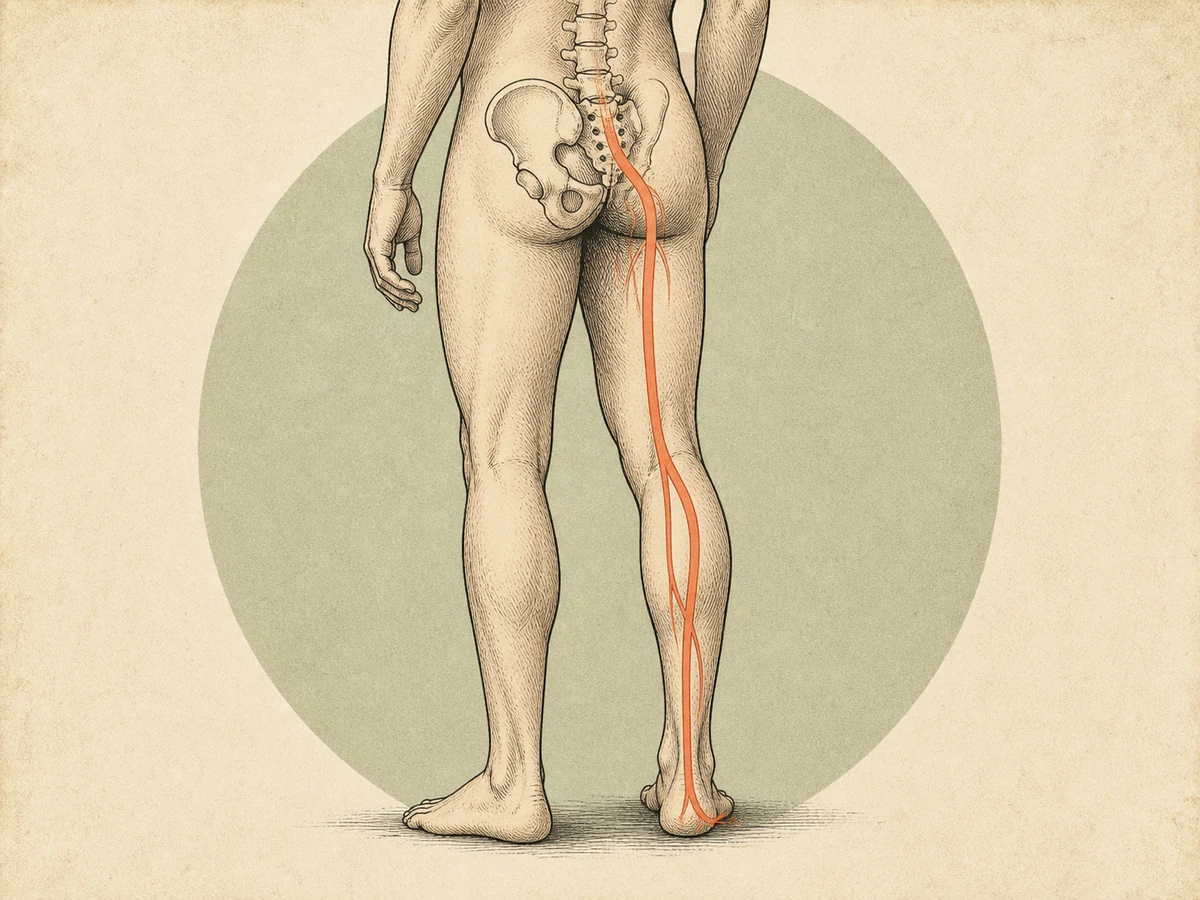
An evaluation can be reasonable when back pain is not improving, keeps returning, limits normal work or sleep, or is creating symptoms into a leg that you do not understand. The goal is not to force every back problem into one diagnosis. It is to decide what seems musculoskeletal, what may be appropriate for conservative care, and what needs another kind of evaluation.
See what chiropractic care can and cannot reasonably claim.
Common questions
Is it safe to stay active with ordinary back pain?
Often, yes, if there was no significant trauma and no warning sign. Gentle activity and position changes are generally preferred to prolonged bed rest for routine back pain. Modify what aggravates symptoms rather than using pain as a challenge to push through.
Does severe pain always mean serious damage?
No. Pain intensity by itself does not tell you the cause or severity of a back problem. Severe, sudden, traumatic, neurological, or systemic symptoms still deserve appropriate medical evaluation.
When should I stop trying to manage it on my own?
When it is not improving, keeps returning, interferes substantially with normal function, or develops neurological or other concerning features. The right next step depends on the pattern, not a universal number of days.
What if my back was already sore before the crash?
Tell the clinician what was present before the collision and what changed afterward. A pre-existing problem does not make a new change irrelevant, and a website cannot determine whether the two are related.
Care at Spine & Motion is provided by Nicholas Heuker, DC.