After a crash
Car Accident Injury Evaluation and Chiropractic Care in Cincinnati
A car accident can leave you with two separate questions: whether anything needs medical care first, and what to do about the neck or back symptoms that remain afterward. Spine & Motion is a chiropractic office on W North Bend Rd in the Monfort Heights area of Cincinnati. This page explains where chiropractic evaluation may fit and where it does not.

Before anything else
Some crash injuries are not chiropractic problems, and a page that skipped that would not be worth reading.
If symptoms are severe, rapidly worsening, or you have an emergency warning sign after a crash, call 911 or go to an emergency department. Some symptoms after a head or body jolt can appear hours or days later. Review the warning signs after a car accident if you are unsure what deserves emergency care.
Spine & Motion
3284 W North Bend Rd, Suites 101 and 103Cincinnati, OH 45239
(513) 514-0051
- Monday
- 9:00 AM to 6:00 PM
- Tuesday
- 9:00 AM to 6:00 PM
- Wednesday
- 9:00 AM to 6:00 PM
- Thursday
- 9:00 AM to 6:00 PM
- Friday
- 9:00 AM to 1:00 PM
- Saturday
- Closed
- Sunday
- Closed
Serving Monfort Heights, White Oak, Green Township, Cheviot, Bridgetown, and nearby west Cincinnati neighborhoods.
Start With the Medical Question
A chiropractic appointment is not a substitute for emergency or medical evaluation after significant trauma. If you have a concussion danger sign, severe or rapidly worsening symptoms, chest or abdominal symptoms, new neurological changes, or another emergency warning sign, use the warning-sign page and seek medical care first.
Review the warning signs after a car accident.
What a Post-Crash Evaluation Is Trying to Sort Out
The useful history begins with the collision and what changed afterward. What did you notice at the scene? What appeared later? Is turning your head, sitting, lifting, sleeping, walking, or working different now? Were you already evaluated medically, and were you given follow-up instructions?
The point is not to reconstruct a legal case or guess an injury from vehicle damage. It is to decide whether the complaint appears musculoskeletal, whether chiropractic care may be a reasonable option, and whether something belongs with another clinician first.
One Crash Can Create Four Different Questions
After a collision, several questions can exist at the same time. Keeping them separate prevents one answer from being mistaken for another.
| Question | Best Place to Answer It | Why It Is Separate |
|---|---|---|
| QuestionDo I have a symptom that needs emergency or medical care? | Best Place to Answer It911, an emergency department, or an appropriate medical clinician | Why It Is SeparateA chiropractic page, police report, or insurance answer cannot clear an emergency condition. |
| QuestionWhat is causing the neck or back limitation that remains? | Best Place to Answer ItAn appropriate clinical evaluation after urgent concerns are addressed | Why It Is SeparateThe history and examination matter more than a label chosen from a symptom list. |
| QuestionWhere do I get the official crash report? | Best Place to Answer ItThe law-enforcement agency that investigated the collision | Why It Is SeparateThe report follows the investigating agency, not the clinic you visit later. |
| QuestionWhat does my policy cover or reimburse? | Best Place to Answer ItThe insurer or plan that issued the policy | Why It Is SeparateA treatment provider cannot turn a general coverage label into a policy-specific answer. |
A police report does not diagnose an injury. An insurance decision does not decide whether a symptom is medically urgent. A medical evaluation does not tell you which agency holds the crash report. The questions are connected by the same event, but they are not interchangeable.
Symptoms Can Change After the Scene
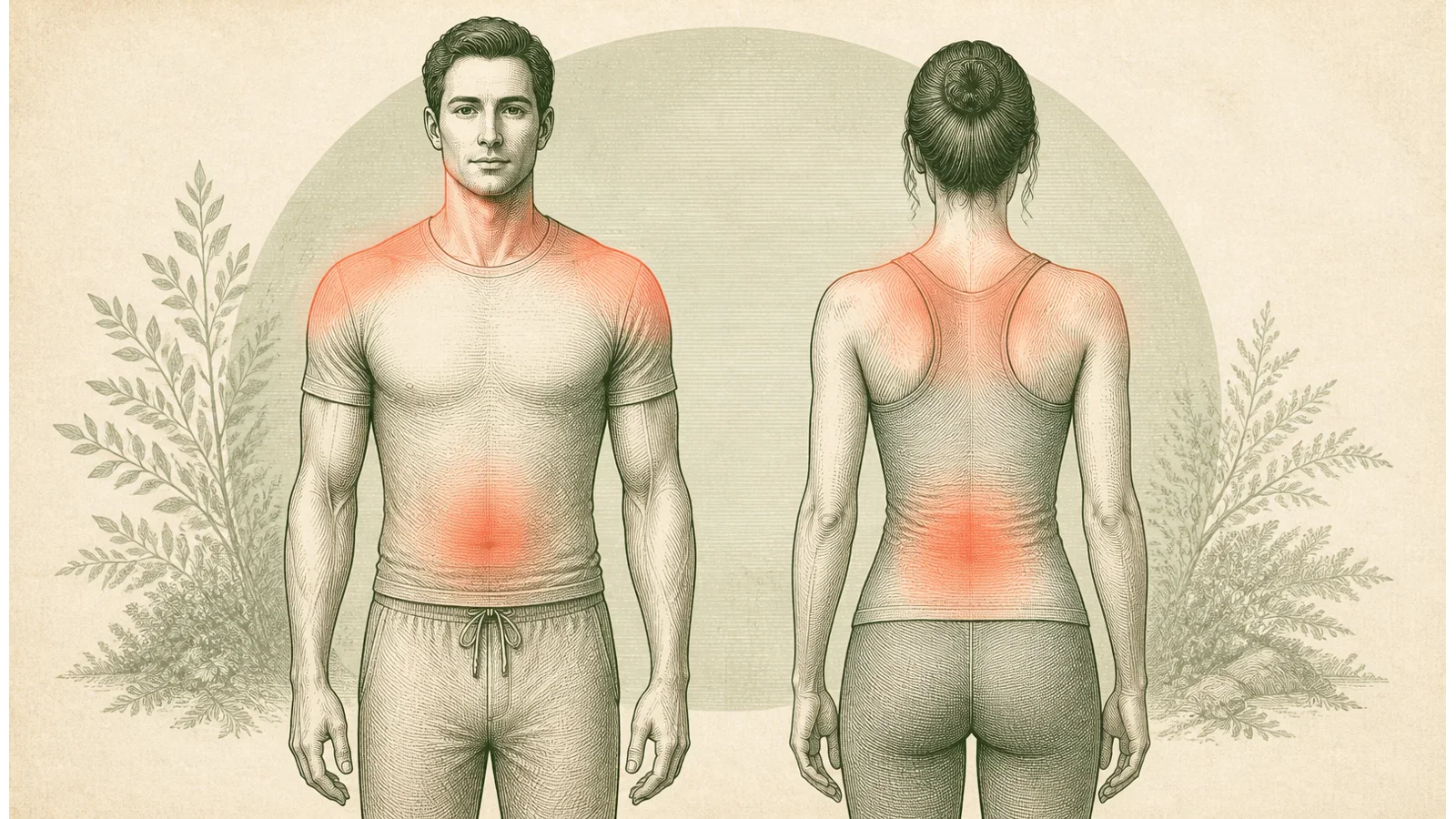
Feeling relatively well immediately after a crash does not prove that no injury occurred. For mild traumatic brain injury specifically, the CDC notes that some symptoms may appear hours or days later. New or worsening symptoms should be judged by what is happening now, not by how you felt at the scene.
Read the CDC signs and symptoms of mild traumatic brain injury and concussion.
For neck or back soreness that appears or becomes more noticeable later, timing alone does not diagnose the cause. Report the change and use warning signs to decide when medical care is needed. Read more about symptoms that appear after a crash.
Common Questions After a Collision
A sore or stiff neck after a collision is often described as whiplash, but the term should not be assigned from a web page. Learn what whiplash means and what needs medical attention first.
A headache after a crash should not automatically be blamed on the neck. Concussion and other causes have to remain in the picture. See how to approach a headache after a collision.
Back or neck pain that continues to limit normal movement can be reasonable to have evaluated after urgent medical concerns have been addressed. For non-accident symptoms, use the separate back pain and neck pain pages.
If an emergency department already evaluated you, follow the discharge instructions you were given. A new or worsening danger sign later still deserves medical attention based on what is happening now.
What the First Visit Looks Like
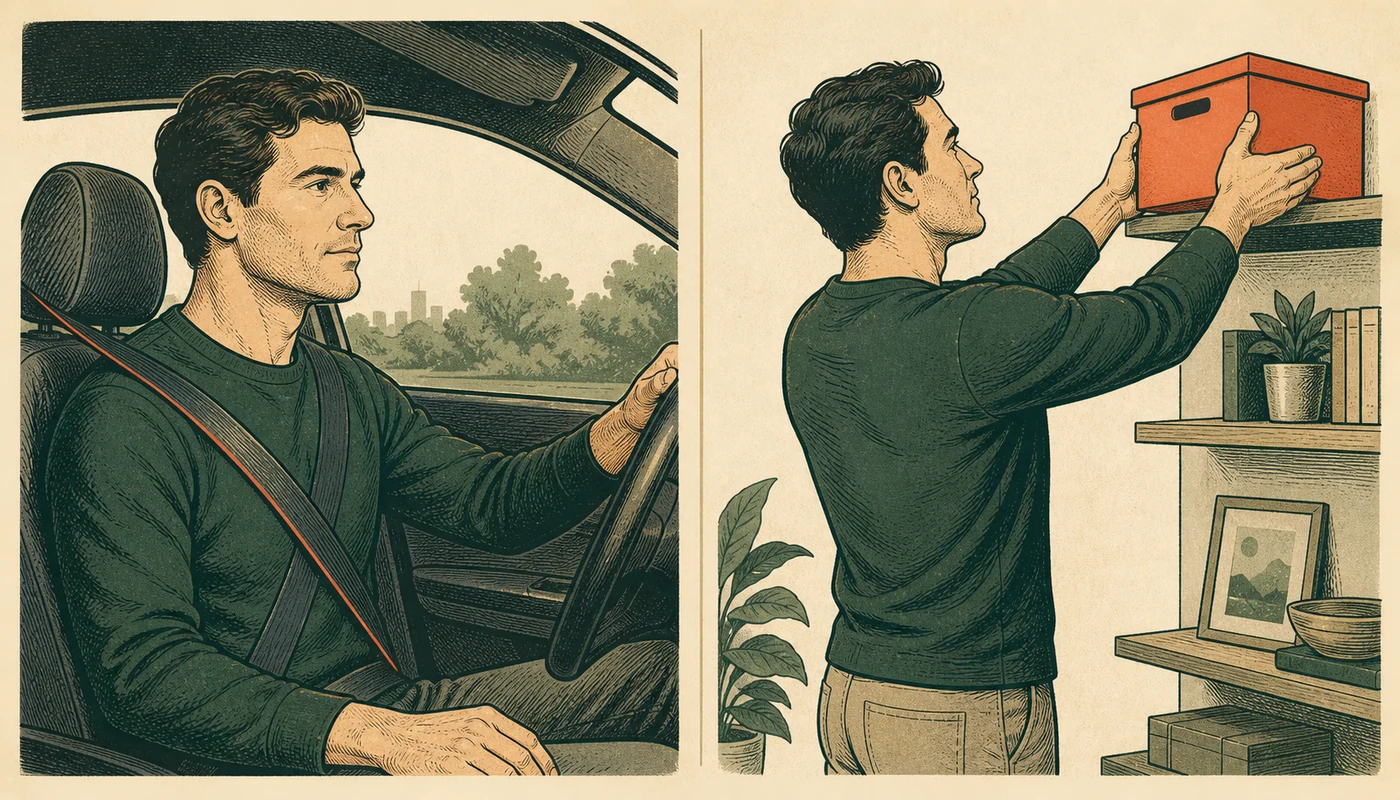
A first visit starts with the history, then an examination appropriate to the complaint, then an explanation of what appears to fit and what does not. This site does not promise a particular treatment method before an examination. You should understand the proposed next step before agreeing to it.
See what to expect at a first visit.
Crash Reports and Insurance Are Separate Questions
You do not need to turn a clinical page into an insurance manual. For practical Cincinnati-area crash-report steps, use After a Car Accident. For coverage questions, use the car insurance and chiropractic care guide.
Spine & Motion is a cash-pay office. Ask the office what an evaluation costs, and ask your own insurer what your policy provides.
Local Information for Cincinnati's West Side
Which agency holds a crash report depends on where the collision happened, not where you receive care. The local pages below focus on those record channels without duplicating the entire medical guide.
Questions Before You Call
The emergency department evaluated me, but I am still sore. Can I call?
Yes. Follow the discharge and follow-up instructions you were given. If a new or worsening emergency warning sign appears, seek medical care again. If the remaining concern is mainly neck or back soreness, stiffness, or limited movement, you can call and ask whether a musculoskeletal evaluation makes sense.
Do I need a crash report or claim number before I call?
Do not assume paperwork is a prerequisite to asking about an appointment. Call the office and ask what is actually needed for the visit you are considering. Never delay emergency or medically necessary care while waiting for paperwork.
Can chiropractic care treat a concussion?
No. A concussion is a brain injury and needs appropriate medical evaluation. Chiropractic care may be considered separately for musculoskeletal complaints only after urgent medical concerns have been addressed.
Care at Spine & Motion is provided by Nicholas Heuker, DC.