How care works
Chiropractic Care: What It Is, What the Evidence Says, and When It May Fit
Chiropractic care is one option for some musculoskeletal problems, particularly certain kinds of back and neck pain. A good decision starts with what the evidence actually supports, what it does not, and whether your own history and examination make this kind of care appropriate.
Plain rule
Care that cannot explain itself is care you should question.
What Chiropractic Care Usually Focuses On
Chiropractic care commonly focuses on the muscles and joints involved in movement, especially around the spine. Spinal manipulation is one of the treatments chiropractors may use. The National Center for Complementary and Integrative Health describes spinal manipulation as a controlled thrust applied to a joint of the spine.
NCCIH explains spinal manipulation, its potential benefits, and its risks.
What any individual visit should include depends on the patient and the problem. This site should not promise a particular technique or treatment method before the clinician has evaluated you.
What Does the Evidence Support?
For low back pain, the American College of Physicians includes spinal manipulation among several non-drug options clinicians and patients may consider. The same guideline emphasizes that improvements from many low-back-pain treatments are often small or moderate rather than dramatic.
Read the American College of Physicians guideline.
That is a useful middle ground. Chiropractic care does not need miracle claims to be a reasonable option for some patients, and a guideline recommendation does not mean it is the right choice for every person or every condition.
What Research Can Tell You, and What It Cannot
Research can help tell us
- Which treatment options have evidence for particular groups of patients
- The average size of benefit seen in research rather than a promised individual result
- Known common side effects and reported serious risks that belong in an informed discussion
Research cannot tell us from a web page
- The diagnosis behind one person's back or neck pain
- Whether spinal manipulation is the right option for that individual
- Which technique should be used
- How many visits a person will need
- Exactly how much improvement one person will experience
The American College of Physicians guideline helps place spinal manipulation among several non-drug options for some low back pain. NCCIH helps explain the evidence and risks around spinal manipulation. Neither source says that every person with back or neck pain should receive manipulation. The evidence informs the decision. The history, examination, preferences, risks, and response to care still matter.
What About Neck Pain?
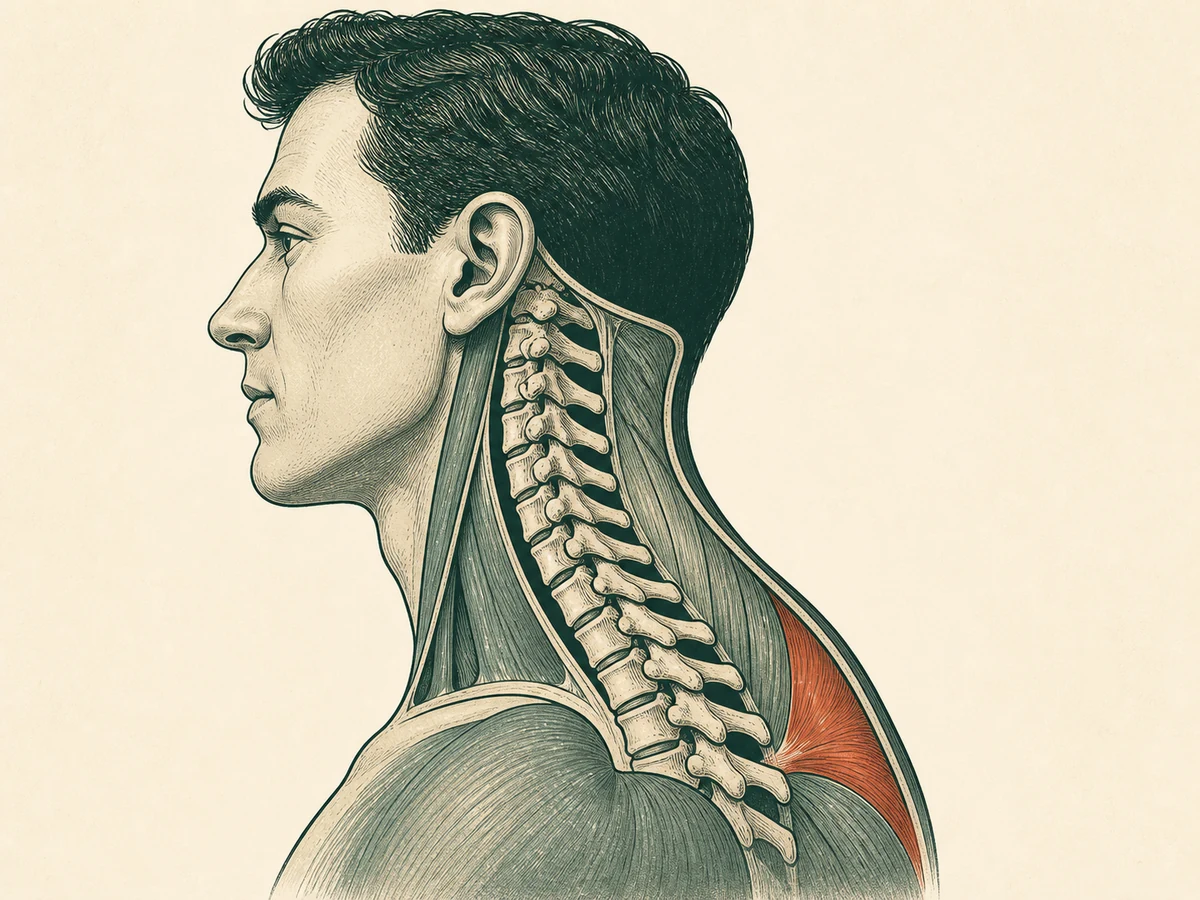
Neck pain has many possible causes. Some are routine musculoskeletal problems and some require medical evaluation first. The history of how the pain started matters, especially when there was significant trauma, a head injury, progressive neurological symptoms, fever, or other warning signs.
For gradual, non-traumatic symptoms, see neck pain. If a collision started the problem, use the accident section below instead.
How Car Accident Care Differs
If symptoms are severe, rapidly worsening, or you have an emergency warning sign after a crash, call 911 or go to an emergency department. Some symptoms after a head or body jolt can appear hours or days later. Review the warning signs after a car accident if you are unsure what deserves emergency care.
A problem that began with a collision deserves a trauma-aware history before anyone assumes it is an ordinary neck or back complaint.
The useful questions include what happened in the crash, what symptoms were present initially, what appeared later, whether a head injury is possible, and what normal activities have changed since. New or worsening symptoms after a crash can require medical evaluation even if an earlier visit seemed reassuring.
If a car accident is what brought you here, start with car accident care and the emergency warning signs.
What Risks Should You Know About?
Temporary soreness, stiffness, or headache can occur after spinal manipulation. Serious complications have also been reported and are considered very rare. NCCIH notes that rare serious events have included neurological complications and strokes involving arteries in the neck, while also noting that the overall incidence is low and the relationship between cervical manipulation and arterial dissection remains an area of study.
That is a reason for a real risk conversation, not for alarmist language in either direction. Your history matters. Ask what is being proposed, why it is being proposed, what alternatives exist, and what would make the clinician choose a different approach.
When Another Kind of Care Should Come First
Chiropractic care is not emergency medicine and it is not treatment for concussion, fracture, internal injury, infection, cancer, or other conditions that require different medical management.
If symptoms are severe or worsening, or if a crash or head injury is involved, use the relevant medical warning signs rather than trying to self-diagnose from a web page. Review the post-crash emergency signs when trauma is involved.
What a Reasonable Plan Should Include
A reasonable plan should have a purpose, a way to judge whether it is helping, and a point at which the approach is reconsidered if meaningful progress is not happening.
There is no universal visit count that a website can responsibly promise. The examination comes first. Reassessment should remain part of the process.
Read more about when care should be reassessed or ended.
Common questions
Does chiropractic care work for every kind of back or neck pain?
No. Back and neck pain have many causes. Chiropractic care may be a reasonable option for some musculoskeletal complaints, while other symptoms need a physician, emergency department, imaging decision, physical therapy, or another kind of care. The history and examination are what separate those situations.
Is the popping sound the goal of an adjustment?
No. A joint can make a popping or cavitation sound during movement, but the sound itself is not a measure of whether treatment was effective. Ask what the clinician is trying to change rather than judging a visit by whether a sound occurred.
Can I decline a treatment or ask for another explanation?
Yes. You should understand what is being proposed before you agree to it. You can ask questions, ask about alternatives, or decline a step.
How many visits will I need?
There is no responsible universal number before an examination. The plan should depend on what is found, how you respond, and whether meaningful functional progress is occurring.
Care at Spine & Motion is provided by Nicholas Heuker, DC.